Introduction to axial fan wall mounted Solutions
Proper ventilation is crucial in industrial, agricultural, and commercial settings to create a safe, productive, and comfortable atmosphere.
Whether it is a manufacturing plant, warehouse, dairy farm, workshop, or storage facility, poor air circulation can lead to excessive heat buildup, humidity, dust accumulation, and dangerous working conditions.
So, how can many organizations efficiently tackle these ventilation challenges?
Axial fan wall-mounted systems are a practical and high-performance airflow solution.
An axial fan wall mounted unit is designed to move large volumes of air directly through a wall opening, helping to remove hot, stale, or contaminated air while bringing in fresh air from outside.
These fans are known for their simple design, high airflow, and energy efficiency, making them among the most widely used ventilation systems across several sectors.
With rising temperatures and increased industry demand for greater environmental controls, investment in reliable ventilation equipment is more critical than ever. A well-chosen axial fan wall mounted system can considerably increase worker comfort, prevent machinery from overheating, and enhance overall operating efficiency.
These fans help control temperature, reduce humidity, and enhance indoor air quality, creating healthier conditions for workers and equipment.
One of the main advantages of current ventilation systems is the development of DC axial-fan technology. Axial fan DC fans use less electricity than standard AC-powered fans while providing consistent airflow performance.
This makes them a great option for companies looking to cut operational costs without compromising ventilation quality. Axial-fan DC systems can be particularly useful for establishments that need continuous airflow during the day, thanks to their energy-saving benefits.
In addition to wall-mounted alternatives, several businesses also incorporate inline axial fans to complete their overall ventilation configuration. Inline axial fans are generally used in ducting systems to improve airflow when direct wall mounting is not practicable.
Combined with an axial fan wall-mounted unit, they form a very efficient, balanced ventilation system that can handle airflow in larger spaces.
Another popular choice is an axial ventilation fan. Axial fans are designed to flow air along the axis of the fan blades. An axial-type ventilation fan is preferable due to its high airflow rates and a small, easy-to-install design.
These fans are very effective at removing excess heat, smoke, moisture, and airborne particles in industrial and agricultural settings.
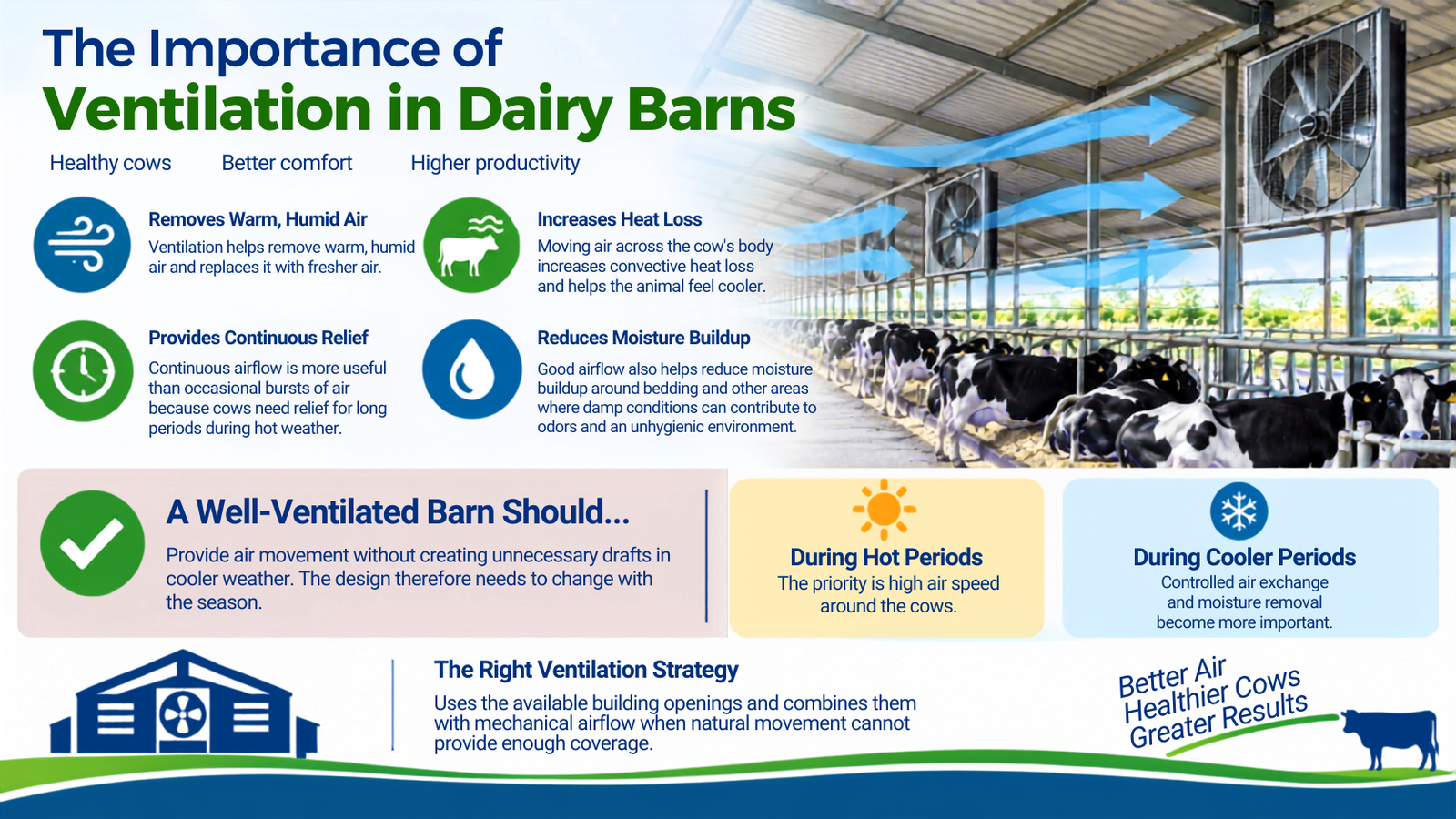
The need for axial fan wall-mounted systems is growing rapidly across industries such as manufacturing, livestock farming, food processing, and commercial storage. On agricultural farms, such as dairy farms, good airflow is very important for reducing heat stress in animals and increasing milk production.
Good industrial ventilation helps prevent machine overheating and makes the workplace safer by removing pollutants and dust.
A solution with a properly mounted axial fan can deliver long-term benefits, including lower energy costs, longer equipment lifespan, and higher productivity.
Today, there are sophisticated ventilation solutions suited to companies’ needs, including energy-efficient DC axial fan motors, inline axial fans, and high-capacity axial ventilation fan designs.
The first step to developing a better ventilation strategy is knowing how these systems work and where they are most effective.
Investing in high-quality axial fan wall-mounted equipment can enable companies to build healthier, safer, and more efficient working environments while maintaining reliable airflow performance for years to come.
What is a Wall-Mounted Axial Fan?
An axial fan, wall-mounted, is a type of ventilating equipment used to circulate air in a straight path, parallel to the spinning axes of its blades.
An axial fan wall-mounted device blows air from one side of a wall to the other rather than redirecting it through ducts or special channels like other fan systems, making it very effective for quick ventilation and temperature control.
The design of an axial fan wall-mounted system is quite basic but very efficient. It usually consists of the fan blades, a motor, a protective frame, and mounting gear that allows the unit to be securely mounted to walls.
Once switched on, the blades move to create airflow, either drawing in fresh air or expelling unwanted air.
In current units, the DC motor for the axial fan is one of the most crucial components. Axial fan DC technology delivers superior energy efficiency, quieter operation, and better speed control than traditional motor systems.
axial fan dc versions are good for businesses that operate for long hours, as they consume less electricity.
Inline axial fans are typically used in conjunction with wall-mounted units in large or more complicated ventilation systems. Inline axial fans can help direct airflow through ducts or enclosed places where direct ventilation may be problematic.
By integrating inline axial fans into a wall-mounted axial fan system, customers can achieve more uniform air circulation within a facility.
The axial ventilation fan is especially appreciated for its adaptability. It can be used in factories to remove industrial heat, in warehouses to increase air freshness, and in agricultural settings to control humidity and temperature.
Axial ventilation fan systems are frequently regarded as among the most economical ventilation solutions on the market, capable of moving large volumes of air quickly.
A wall-mounted axial fan is a good tool for maintaining optimal airflow in tough conditions.
Whether upgraded with DC axial-fan technology, supplemented with inline axial fans, or used as a solo axial ventilation fan, this type of fan plays a vital role in modern ventilation systems.
Benefits & Top Axial Fan Wall-Mounted Solutions
Advantages of Installing an Axial Fan Wall-Mounted System
One of the most effective ways to improve ventilation in industrial, commercial, and agricultural buildings is to install an axial fan wall-mounted system.
These fans are built to provide strong airflow while being energy efficient and durable for the long haul.
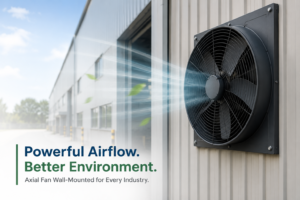
An axial fan wall-mounted solution is suitable for factories, warehouses, dairy farms, and workshops and offers several benefits that directly improve operational performance and indoor comfort.
Improved Air Flow and Temperature Regulation
One of the greatest benefits of an axial fan wall-mounted system is its ability to circulate air quickly and consistently. Poor air circulation can lead to heat buildup, excessive humidity, and uncomfortable working conditions, especially in confined situations.
An axial ventilation fan maintains a regulated indoor climate by continuously circulating fresh air and expelling hot or stale air.
Temperature management is particularly crucial for industrial and agricultural applications. Excessive heat in manufacturing operations can reduce worker productivity and harm sensitive equipment.
Improved ventilation on dairy farms reduces heat stress in livestock, improving animal health and increasing milk output. A properly placed axial fan, a wall-mounted unit, will provide reliable airflow where it’s required most.
Energy efficiency using axial fan DC technology
Modern ventilation systems are increasingly equipped with DC axial fan motors because of their higher energy efficiency compared to standard AC motors.
The axial fan DC system consumes minimal power and delivers high airflow performance, making it well-suited for facilities that require continuous ventilation.
Upgrading to axial fan DC versions might help businesses save a lot on electricity. These fans also offer better speed control, quieter operation, and less wear on internal components.
Investing in a DC system with an energy-efficient axial fan can improve overall operational sustainability and reduce maintenance costs over time.
Simple Installation and Adaptable Design
Another key benefit of an axial fan wall-mounted system is the ease of installation. The fan is installed directly on a wall, eliminating the need for intricate ductwork or expensive structural modifications. This means installation is faster, less expensive, and easier to service.
In cases of restricted direct wall ventilation, inline axial fans may be installed in the ductwork to help disperse airflow.
The combination of inline axial fans with a wall-mounted axial fan arrangement provides a more comprehensive and adaptable ventilation solution for larger or multi-section facilities.
Heavy Duty Durability
Heavy-duty ventilation systems must withstand harsh conditions, including high temperatures, dust, moisture, and continuous operation.
High-grade axial ventilation fans are constructed from durable materials, such as galvanized steel and aluminum, or with corrosion-resistant coatings for long-lasting performance.
An industrial wall-mounted axial fan unit built to perform reliably in tough environments. These fans produce reliable airflow year after year in food processing factories, livestock stables, or manufacturing sites.
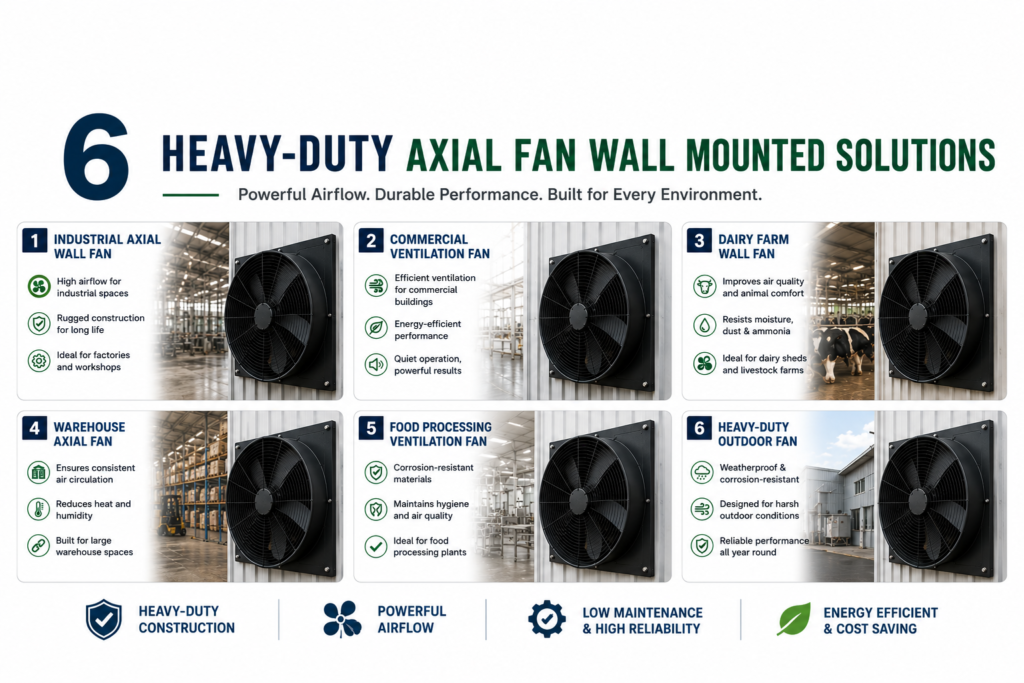
Top 6 Heavy-Duty Axial Fan Wall-Mounted Solutions
The choice of an appropriate axial-fan wall-mounted model depends on airflow requirements, installation conditions, and energy-efficiency goals. Here are 6 of the best heavy-duty ventilation options on the market today.
1. Industrial high-speed wall-mounted axial fan
This kind of axial fan is a wall-mounted machine designed for maximum airflow and fast heat removal. It is best suited for large factories, warehouses, and manufacturing facilities where constant ventilation is essential.
The fans often feature high-performance blades and heavy-duty motors that efficiently move enormous volumes of air.
2. DC model of an energy-saving axial fan
An axial DC-type fan is suitable for organizations that want to cut down on energy expenditures yet want excellent airflow. These fans feature modern motor technology to improve electricity usage and offer quieter operation. They are very effective in 24-hour ventilation requirements in facilities.
3. Ventilation Support commercial inline axial fans
Inline axial fans are an important part of larger ventilation systems but are not wall-mounted. These are mounted within ducting and help channel airflow to areas that are otherwise hard to reach with regular fans.
Inline axial fans help balance airflow and increase system efficiency when used with an axial fan, a wall-mounted unit.
4. Axial ventilation fan with heavy-duty metal blade
The metal-blade axial-ventilation fan is designed for tough applications where durability is key. The fans are resistant to dust, dampness, and extreme temperatures and can be used in industrial plants and agricultural operations.
5. Unit wall-mounted axial fan, smart-controlled
Modern smart-controlled axial fan wall-mounted systems feature advanced features such as remote monitoring, adjustable speed settings, and automated temperature sensors. These smart devices allow users to control airflow based on current environmental conditions.
6. DC System of axial fan with a large diameter
For facilities requiring maximum airflow, a large-diameter axial fan DC system delivers excellent performance. These fans are energy-efficient and offer excellent ventilation, making them the best choice for large industrial spaces and commercial buildings.
Choosing the proper axial fan wall-mounted solution can make a big difference to indoor air quality, lower energy costs, and ensure long-term operational success.
Whether augmented with DC axial-fan technology, backed by inline axial fans, or built as rugged axial ventilation fan, these heavy-duty systems deliver reliable airflow in harsh settings.
Wall-Mounted Axial Fan Applications and Buying Guide
How To Choose The Best Wall-Mounted Axial Fan
For optimal ventilation and long-term performance, choosing the right wall-mounted axial fan system is critical.
With so many various sizes, motor types, and airflow capacities to choose from, careful consideration of your environment and operational needs is required to select the right fan.
If you are looking for ventilation for an industrial complex, agricultural farm, warehouse, or commercial structure, understanding the essential buying factors can help you make the right investment.
Airflow Capacity (CFM): Look at
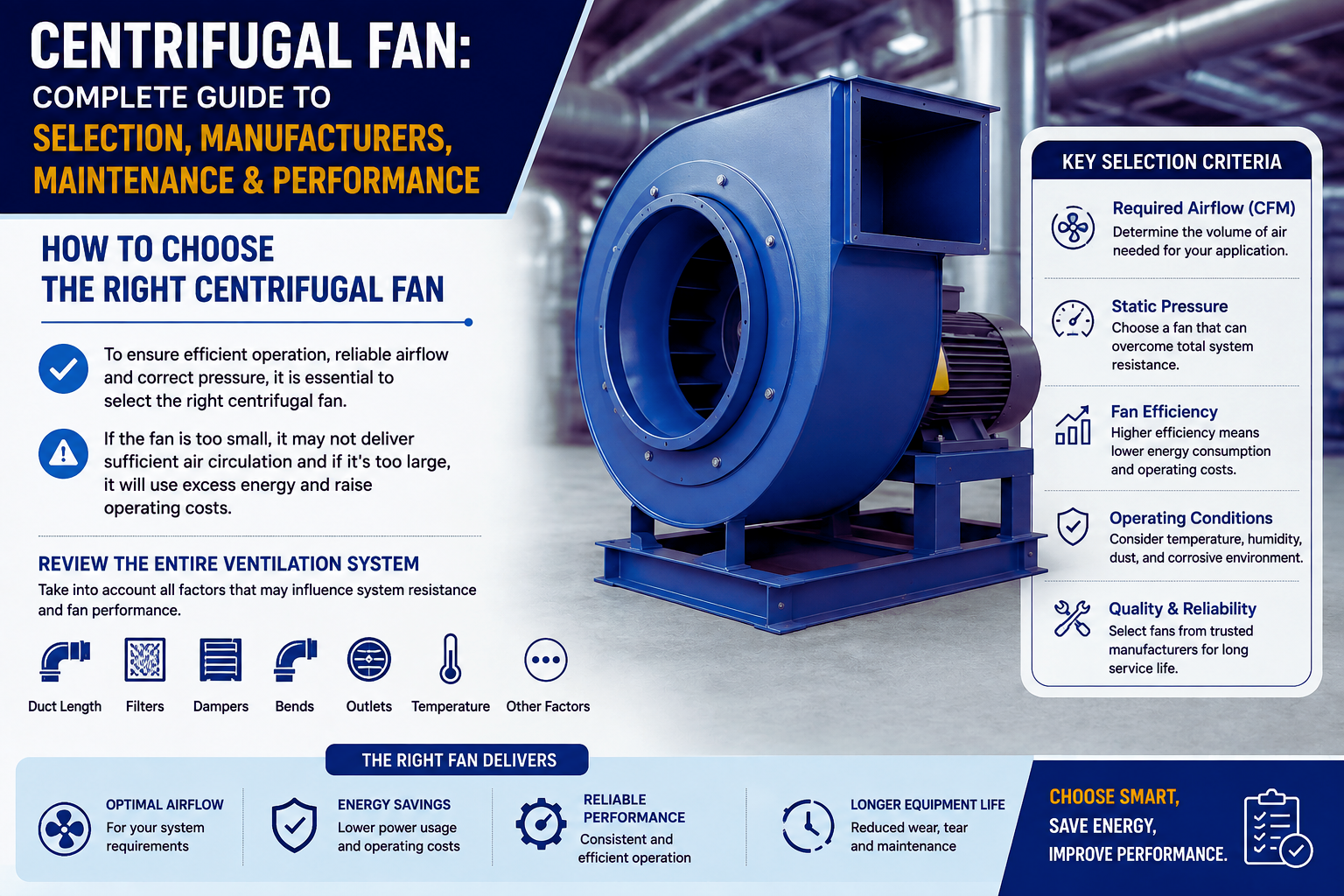
Airflow capacity is one of the most essential factors in choosing an axial fan or a wall-mounted fan. It is normally measured in cubic feet per minute (CFM).
The CFM rating indicates how much air the fan can move in a given amount of time.
Larger facilities, such as factories, animal barns, and warehouses, require higher CFM rates for effective ventilation.
A properly designed axial ventilation fan can efficiently remove hot air, humidity, dust, and pollutants, creating a healthier, more productive environment.
A fan with insufficient airflow will not provide adequate ventilation performance and will also cost more energy to operate.
Identify the motor type: DC fan vs. axial fan.
The motor is the heart of any axial fan wall-mounted system, and selecting the right type can significantly impact energy consumption and maintenance requirements.
Traditional AC motors are widespread and typically cheaper up front, but contemporary axial-fan DC motors offer several major advantages. An axial fan DC unit will usually use less power, operate more quietly, and provide more accurate speed control.
These characteristics make DC axial fans ideal for companies seeking energy efficiency and lower operating costs.
If your facility requires long hours or continuous ventilation, investing in axial fan DC technology might save you a lot of money over the long run.
Check for Material Quality and Durability
Ventilation equipment must be rugged in heavy-duty applications. When choosing an axial fan wall-mounted unit, consider construction materials and protective coatings.
Industrial-grade fans may have parts made of galvanized steel, stainless steel, or corrosion-resistant aluminum. A good axial ventilation fan should be able to cope with moisture, dust, chemicals, and extreme temperatures without affecting performance.
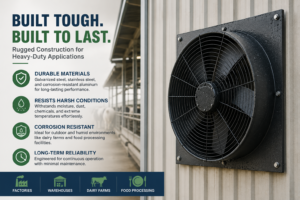
Corrosion resistance is particularly critical in outdoor or humid environments, such as dairy farms and food processing factories, to ensure the longevity of the axial fan wall-mounted system.
Compatibility Check with Axial In-line Fans
For larger or more complex facilities, more than one ventilation solution is generally required. This is when inline axial fans come in very handy.
Inline Axial Fans:
These are used to move air through duct systems in enclosed or hard-to-access spaces. Inline axial fans, when combined with a wall-mounted axial fan unit, help create a balanced, uniform airflow throughout the building.
The compatibility check between these systems can improve ventilation efficiency and optimize overall performance.
Assess Noise Levels and Maintenance Requirements
Noise can be a large factor, particularly in work environments where employee comfort is a major issue. Most current axial fan DC systems are designed to operate quieter than previous systems.
Maintenance requirements should also be checked before you purchase. A good axial fan, a wall-mounted fan, will be constructed to offer easy access for cleaning, blade inspection, and motor servicing.
By choosing a low-maintenance model, you can reduce the downtime and the repair costs in the long run.
Axial Ventilation Fan Systems Applications
An axial fan wall-mounted system is a versatile device that can be used in many industries and settings. The ability to move large volumes of air effectively makes it one of the most practical ventilation options available.
Industrial – Manufacturing Plants
Factories and production facilities often generate significant heat, dust, and airborne pollutants. Axial ventilation fans help remove these contaminants and make working conditions safer for personnel.
An axial fan wall-mounted system can also prevent machines from overheating, safeguarding expensive equipment and eliminating maintenance interruptions.
Dairy and Livestock Farms
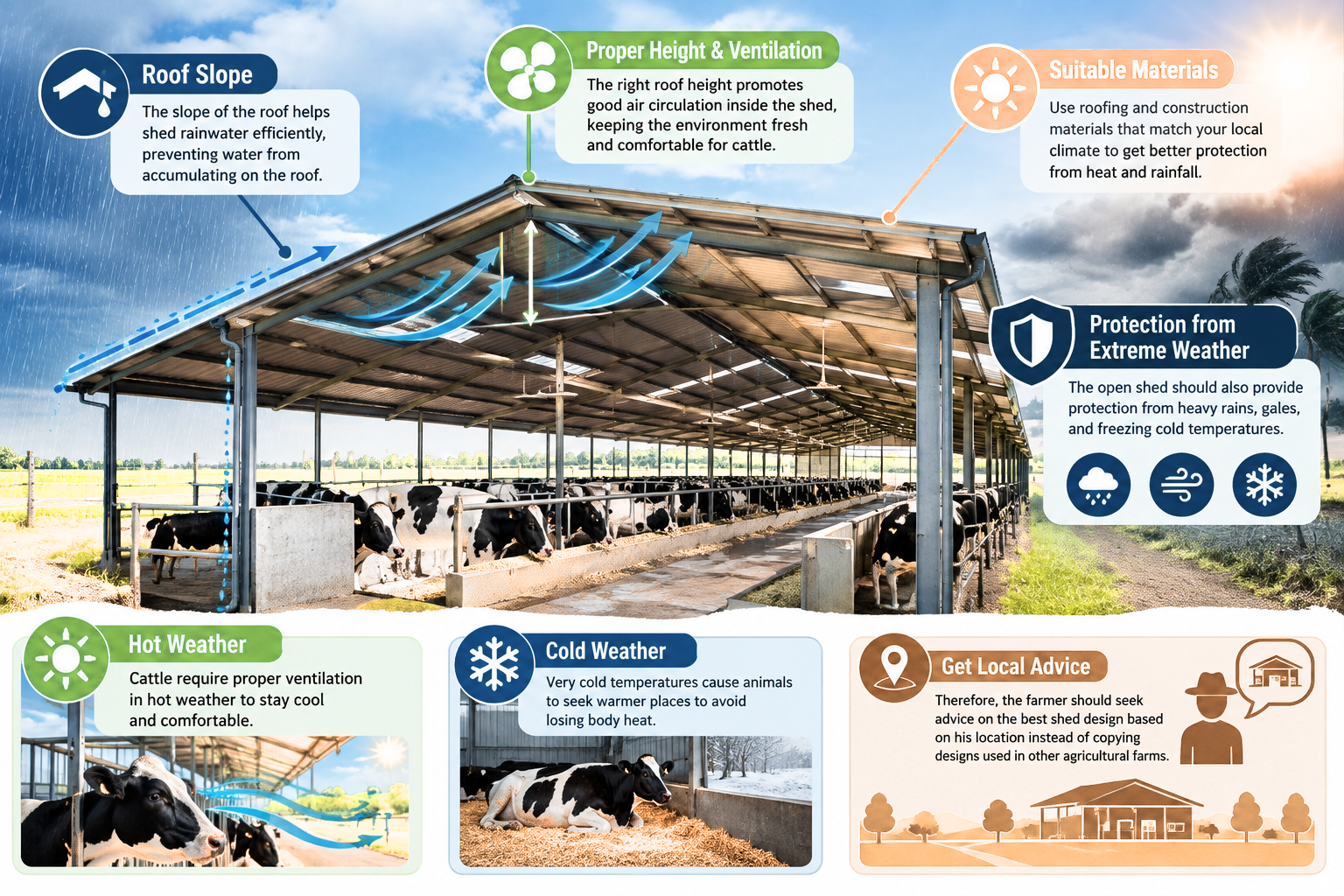
Ventilation in agriculture is important for animal health and productivity. Heat stress can have a deleterious effect on livestock performance, particularly on dairy farms.
A wall-mounted axial fan unit will give better ventilation, lower internal temperatures, and less humidity in barns and shelters.
Many modern farms also combine DC axial fan systems for energy-efficient operation with inline axial fans for improved air dispersion.
Warehouses & Storage Facilities
Large storage rooms frequently have inadequate airflow and temperature variation. An axial ventilation fan, if built correctly, helps keep fresh air circulating and prevents moisture buildup that could damage stored objects.
A wall-mounted axial fan system is particularly useful for warehouses with limited natural ventilation.
Commercial Kitchens and Food Processing Facilities
Commercial kitchens and food preparation areas have to deal with big problems of heat, smoke, and humidity. A dependable, wall-mounted axial fan removes excess heat and airborne contaminants, improving worker comfort and meeting food safety standards.
Workshops & Workshops & Garages
Automotive workshops and maintenance garages are often full of fumes, dust, and high temperatures. The installation of an axial ventilation fan enhances indoor air quality and creates a safer workplace for technicians.
Greenhouse and Agricultural Ventilation
Good airflow management is also important in agricultural storage buildings and greenhouses. The wall-mounted axial fan helps control humidity and temperature, promoting better plant growth and minimizing the danger of mildew or spoiling.
Understanding how to select the best axial fan wall-mounted system and the best applications for these fans enables organizations to make decisions that enhance ventilation efficiency, reduce operating expenses, and sustain production.
Maintenance and finalization of axial fan wall-mounted solutions.
Maintenance Tips for Axial Wall-Mounted Fans
The installation of a high-grade, wall-mounted axial fan system is merely the first step towards optimal ventilation. Regular maintenance is important to keep it performing consistently, using energy efficiently, and lasting a long time.
Like any industrial equipment, an axial fan wall-mounted unit will deteriorate over time due to continuous operation, environmental exposure, and dust build-up.
Proper inspection and preventive care can help avoid unexpected breakdowns, reduce repair costs, and maintain optimal airflow performance.
No matter the type of ventilation configuration you have, whether it is a DC energy-efficient axial fan, inline axial fans supporting it, or a dedicated axial ventilation fan, maintaining a regular maintenance routine can go a long way in improving the reliability of the system.
Regular Cleaning of Fan Blades and Casing
Regular cleaning is one of the most crucial maintenance jobs for any axial fan wall-mounted system. Dust, grime, grease, and airborne particles can build up on the fan blades and protective housing over time.
This build-up can reduce airflow effectiveness, increase motor strain, and force the fan to run at higher power than necessary.
Cleaning the blades of an axial ventilation fan helps maintain balanced rotation and prevents airflow restriction. Dirty blades can generate vibration that can damage internal components if not corrected.
How to properly clean an axial fan unit that is wall-mounted:
Make sure the power supply is fully disconnected before servicing.
- Clean dust and dirt from the fan guard and housing.
Use a soft cloth or mild cleaning solution to gently clean the fan blades. Check for rust or physical damage.
- All parts should be dry before restarting the system.
If you are in a facility with frequent dust exposure, such as a factory, workshop, or agricultural farm, cleaning may need to be done more often.
Electrical Connections and Wiring Inspection
Another key aspect of caring for an axial fan, a wall-mounted fan, is electrical inspections. Loose wires, broken insulation, or corroded terminals can impact motor performance and pose safety risks.
Modern axial fans typically use DC systems with sophisticated control modules and variable-speed capabilities. It’s all the more necessary to do regular electrical maintenance. Faulty connections can cause erratic operation, decreased efficiency, or total fan failure.
Inspection:
Check all power connections for any looseness.
- Look for evidence of overheating or burnt wire.
Check electrical terminals for corrosion.
- Check speed controls and sensors are functioning properly. · Test emergency shutoff systems, if applicable.
If you have a complex axial fan DC system or an industrial installation with integrated automation controls, we recommend a professional examination.
Monitoring Motor Performance of dc Units of Axial Fans
The motor is the core of any axial fan wall-mounted system, and its condition directly influences ventilation performance.
Regular monitoring of the motor can help you catch potential problems early, before they turn into costly repairs.
An axial fan DC motor is energy-efficient and operates smoothly. Like all mechanical systems, it requires occasional attention.
Possible signs of motor-related problems:
Noise during work is unusual
- Reduced airflow output
- Unexpected increases in energy consumption variations in fan speed
- Too much heat surrounding the motor case
Routine lubrication, if applicable, will reduce friction and extend motor life. Many new axial DC fan models have low-maintenance sealed bearings; manufacturer instructions should always be followed.
Checking Blade Balance and Alignment
Proper blade alignment is critical for safe, efficient operation. If the blades of an axial ventilation fan are bent, loose, or out of alignment, it could lead to excessive vibration or uneven airflow.
Blade imbalance can contribute to increased wear on motor bearings and mounting hardware, leading to premature failure of the axial fan wall-mounted system.
Maintenance professionals should check blades for the following:
- Cracks or Damage apparent
- Mounting bolts loose
- Bending or warping
- Signs of corrosion or material fatigue.
Quickly replacing broken blades helps maintain the fan’s overall integrity.
How to get Unobstructed Airflow for inline axial fans
The duct inspection is as crucial as in inline axial fan systems. Even if the primary axial fan wall-mounted unit is operating properly, blocked ducting or restricted airflow might affect system performance.
To ensure efficient airflow with inline axial fans:
- Check ductwork for dust accumulation or debris
- Inspect for leaks or damaged portions of duct
- Ensure airflow pathways are kept clear
- Ensure all ventilation exits are free from obstructions.
With an axial fan wall-mounted system, properly maintained inline axial fans can increase airflow dispersion and the overall ventilation effectiveness.
Seasonal & Environmental Maintenance Factors
Varied environments have varied maintenance requirements for an axial fan wall-mounted system.
Industrial Environments
Fans are commonly exposed to dust, heat, chemicals, and constant use in factories. These conditions necessitate periodic examination and cleaning to prevent performance degradation.
AGRICULTURAL USES
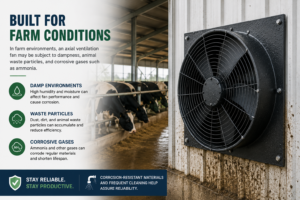
In farm environments, an axial ventilation fan may be subject to dampness, animal waste particles, and corrosive gases such as ammonia. Corrosion-resistant materials and frequent cleaning help assure reliability.
Installations in the Open Air
Outdoor axial fan wall-mounted devices must be shielded from rain, UV, and temperature changes. Weatherproofing and protective coatings can prolong equipment life.
High-quality axial fan wall-mounted solutions. Why Buy?
When you choose a quality axial fan wall-mounted system, you are not only making a short-term purchase; you are buying operating efficiency, safety, and long-term cost savings.
High-quality ventilation equipment delivers better performance, greater longevity, and lower maintenance requirements than low-cost alternatives.
Long-Term Energy Savings
The modern DC axial fan is designed to deliver maximum airflow with minimal electricity usage. These energy savings can compound, lowering operational costs over months and years.
Companies that rely on ventilation systems can significantly benefit from switching to energy-efficient DC axial fan technology.
More comfort and security at work
An axial ventilation fan, when operating correctly, removes heat, humidity, fumes, and airborne contaminants to provide a better indoor environment.
Enhanced airflow helps:
- Increased employee comfort
- Lower heat stress
- Improved productivity ·Reduce health hazards
Compliance with workplace safety laws.
In dairy farms and livestock facilities, wall-mounted axial fans promote animal welfare and enhance production efficiency.
Better equipment protection
Excessive heat and humidity can damage machinery, electronics, and storage products. An axial fan wall-mounted solution can help you control environmental conditions and protect your valuable assets.
Reducing excess heat and moisture helps organizations avoid costly repairs and equipment downtime.
Greater Reliability and Durability
Premium ventilation systems are made from stronger materials, feature improved motor technology, and meet higher engineering standards.
A high-quality axial fan wall-mounted fan can be relied on and will last many years with proper maintenance.
Durable axial-ventilation fan designs and efficient axial-DC fan motors deliver continuous airflow in tough industrial environments.
Summary:
For industrial, commercial, and agricultural settings, a well-designed axial fan wall-mounted system is one of the best ways to improve airflow, control temperature, and maintain healthy indoor conditions.
From energy-saving DC axial fans to supportive inline axial fans and robust axial ventilation systems, current ventilation technology offers versatile options for a wide range of applications.
But installation is not enough to deliver long-term performance. Cleaning, motor monitoring, electrical inspections, and airflow management are all key to ensuring your axial fan wall-mounted system is running as efficiently as possible.
Investing in quality equipment and proper maintenance can help organizations decrease operating costs, improve safety, safeguard important assets, and assure reliable ventilation performance for years to come.