Abstract
Pakistan’s livestock sector is highly developed, with an agricultural production structure where dairy farming plays a major role. Milk is consumed by many, contributing to the country’s food security while providing income, employment, and business opportunities to millions. Dairy production comes in different scales, from small domestic farms to large commercial operations, satisfying a significant portion of Pakistan’s dairy needs. Advancements in cattle breeding, feeding practices, veterinary care, management, infrastructure, milking technologies, and digitalization have created numerous opportunities for the dairy industry to thrive.
The question “what makes the best dairy farm in Pakistan” cannot be determined by a single criterion. Various considerations can define the best dairy farm, including animal yield, health, cleanliness, proper feeding and management practices, cattle breeds, overall management practices, and technological application, among others. The best dairy farms in Pakistan engage in animal production following prudent measures that promote cattle health and encourage maximum milk production.
This article discusses the features of best dairy farms, the development of dairy farming in Pakistan, the role of dairy farms in Pakistan, modern dairy practices, animal nutrition, farmhouse infrastructure, milk production and quality, technology application, and future opportunities. It also examines why the largest dairy farm in Pakistan is a relative term that should be interpreted from specific perspectives such as the farm’s scale and productivity.
Introduction
Dairy farming is an essential aspect of Pakistan’s agricultural economy. Livestock farming provides products directly and indirectly for the livelihood of millions of Pakistan’s citizens. At the same time, dairy products such as milk are critical to many people’s daily diet. Dairy animals such as cows and buffaloes are crucial sources of milk, meat, and other dairy products.
Traditionally, dairy farming has been practiced on a small scale. Smallholder farmers rear animals and sell their produce to processors or milk buyers. However, the situation is changing as farmers develop commercial dairy operations to satisfy the rising demand for dairy products.
When searching for the best dairy farms in Pakistan, one may find several farms that operate differently. For instance, some may look for the best dairy farms in Pakistan in terms of the highest yield, while others may be looking for the best dairy farms that emphasize animal health, cleanliness, and advanced technologies. Therefore, there is no absolute answer to what makes the best dairy farm in Pakistan. Instead, the best dairy farms are those that emphasize proper animal husbandry and management practices to ensure high-quality milk production.
Dairy Farming in Pakistan
Pakistan has had a thriving agricultural economy with substantial livestock numbers, contributing to dairy production for local consumption. The country’s agro-based economy has enabled it to develop robust dairy production methods while emphasizing improved dairy products for local and international markets. Livestock farming and dairy production involve various aspects, ranging from animal health and nutrition to milking technologies and management practices.
What Makes the Best Dairy Farm in Pakistan?
Generally, the best dairy farms are those that ensure proper animal management throughout various stages while emphasizing key production aspects, such as animal health and nutrition, farm infrastructure, milk production and quality, and modern technologies.
First, animal health and management are essential components of dairy farming. Healthy cows and buffaloes are likely to yield high-quality products throughout their productive lifespan. Farmers should invest in adequate veterinary services to maximize production while minimizing the risk of disease transmission. Disease control and vaccination programs are vital in preventing and managing various illnesses affecting dairy animals.
Second, a farmer must ensure proper nutrition to maintain high agricultural production. A balanced diet enables dairy animals to gain weight, reproduce faster, resist diseases, and yield high-quality milk. Farmers should provide their animals with adequate amounts of energy, protein, minerals, and vitamins in relation to their breed, age, weight, and milk production rate. Water is also a crucial component of animal nutrition as it facilitates various physiological functions in animals.
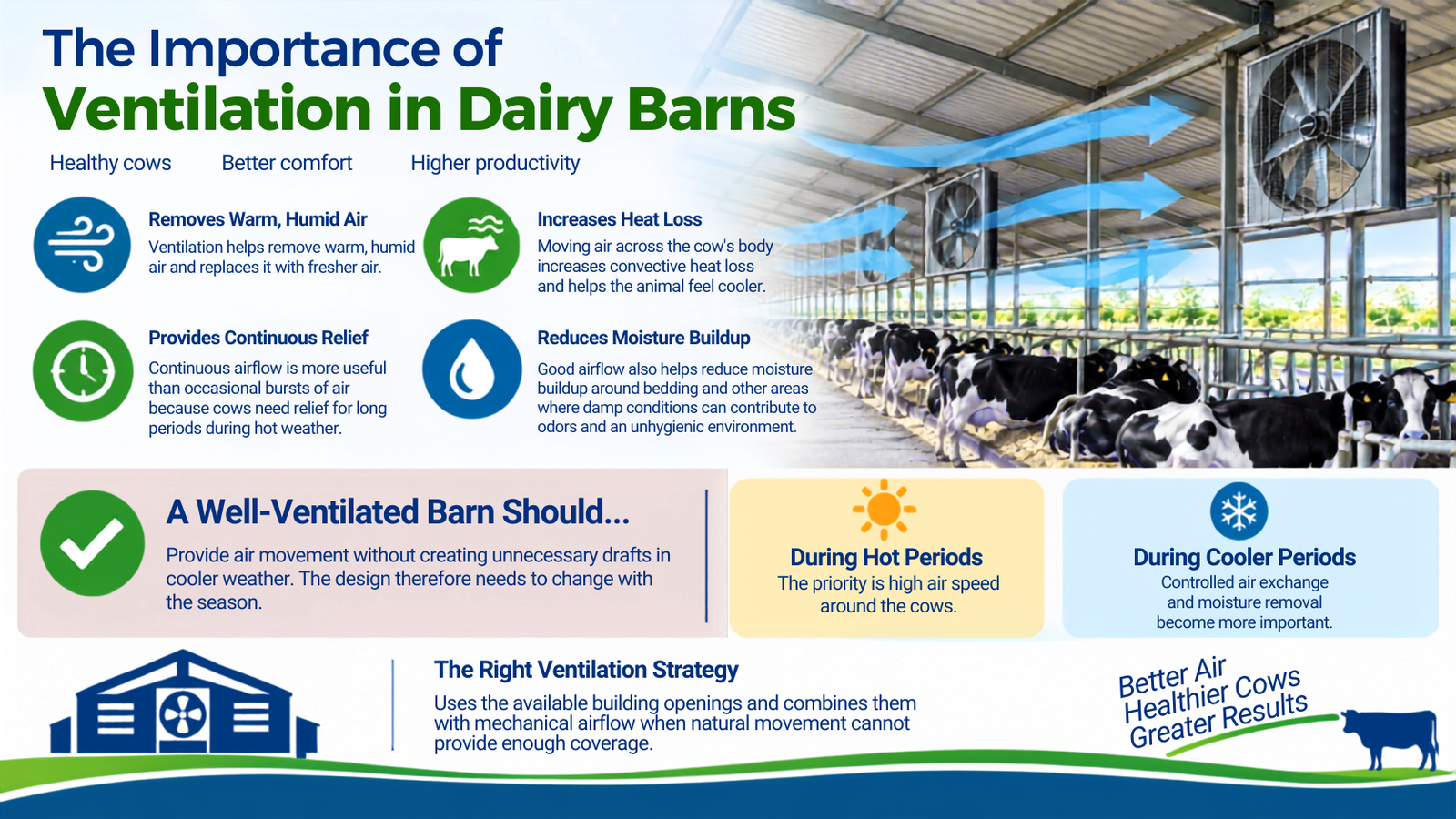
The farmhouse infrastructure is another critical aspect of dairy farming. Farmers should provide their cows and buffaloes with enough space to prevent the spread of diseases and infections. Additionally, animals need adequate space to ensure good air circulation, especially in hot climates, such as in Pakistan. Farmers should also install fans or other ventilation systems to reduce the risk of heat stress, particularly for lactating cows.
Milk production and quality should also be considered in determining the best dairy farms. The quality of milk is closely related to animal health conditions and farm management practices. Farmers should ensure proper hygiene and use suitable equipment when handling milk and feed to avoid contamination.
Record management is also an essential aspect of modern dairy farming. Farmers should maintain proper farm management records to help them track and predict trends, such as the amount of milk produced, the number of animals, and the amount of feed required. Spreadsheets have become crucial in maintaining digital farm management records.
Finally, the best dairy farms incorporate modern technologies to increase production while maintaining high-quality standards. These technologies can include milking machines and software systems that help in monitoring and managing animal health and productivity. Milking machines allow farmers to extract milk faster while reducing the risk of infections. Additionally, modern technologies enable farmers to monitor and control various farm activities, such as animal nutrition, breeding, and reproduction.
Best Dairy Farms in Pakistan
The best dairy farms in Pakistan can take different forms depending on farmers’ preferences, objectives, and financial status. For instance, some commercial dairy farms specialize in commercializing milk, while others focus on breeding dairy animals. Additionally, some dairy farms engage in processing and marketing dairy products.
A commercial dairy farm usually has a well-organized management system that helps the farmer keep track of all activities while maximizing production. For instance, farmers usually subdivide their animals into different groups depending on their status, such as lactating cows, heifers, dry cows, and non-lactating cows. Each group has specific nutritional and management requirements that farmers should consider.
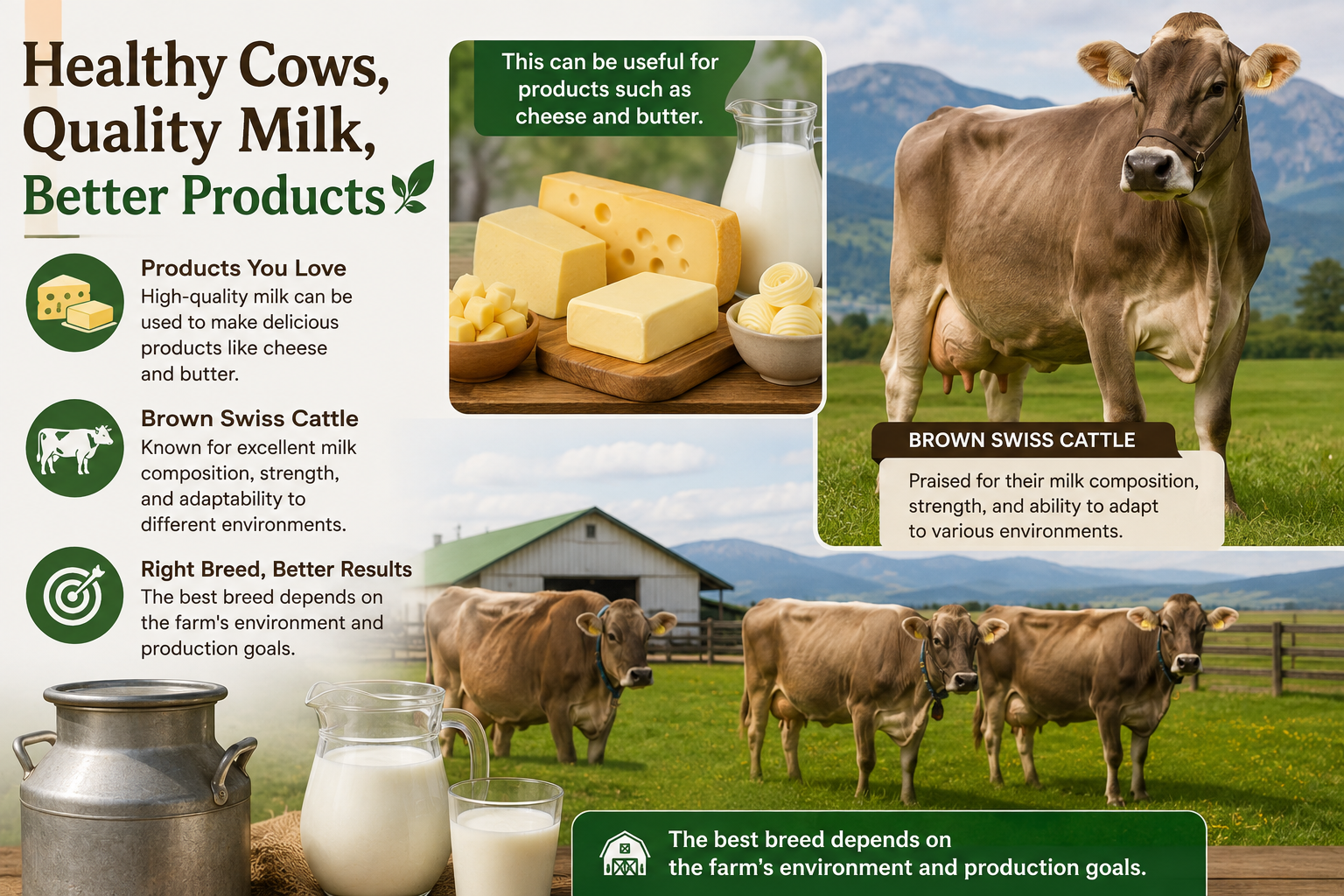
Modern dairy farms also emphasize the importance of choosing animal breeds based on several factors, including the local environment, feed availability, animal health, veterinary services, and financial capacity. Farmers can choose from indigenous breeds, exotic breeds, and crossbreeds. Local breeds are generally hardier but may yield less milk than crossbreeds or exotic breeds.
Moreover, modern dairy farming emphasizes the importance of calf care, disease control, and reproduction. Farmers should provide high-quality colostrum to newborn calves while ensuring that they are free from diseases and infections. Farmers should also provide appropriate care to the cows to facilitate conception, pregnancy, and labor. Effective reproductive management helps the farmer maintain a continual supply of healthy dairy animals.
Top Dairy Farms in Pakistan
The top dairy farms in Pakistan utilize modern technologies and appropriate management practices to maximize production while maintaining the highest quality standards. Commercial dairy farms typically have specialized units for animal breeding, milking parlors, feed storage, and processing. These farms also have well-organized management systems, such as digital farm management software, to ensure the continuous production of high-quality milk.
One of the main differences between traditional and modern dairy farms is the application of technology and farm management practices. For instance, traditional dairy farmers relied on their experience to manage their animals, whereas modern dairy farms utilize digital tools to improve their productivity. Modern dairy farms can use digital tools to store and organize various records, such as animal weight, milk yield, and feed inventory. Additionally, farmers can use digital tools to keep track of various animal health records, such as vaccination and disease control records.
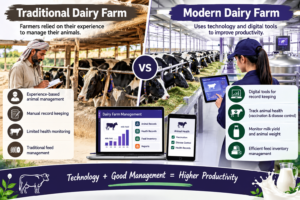
For instance, a digital animal health record can be used to store a cow’s identification, breed, age, and milk production capacity. The record can also store animal health data and vaccination records to help the farmer monitor and manage animal health issues. Similarly, a digital feed inventory can help a farmer track the amount of feed in stock, its source, and the amount of feed each dairy animal can consume.
Modern milking machines have also revolutionized the dairy industry by enabling farmers to milk their cows faster and improve milk quality. Farmers should ensure that milking machines are cleaned and properly maintained to avoid contamination and infections. Moreover, the milk system is essential in commercial dairy production since it helps cool the milk after milking, minimizing the risk of bacterial infections.
Workers also play a vital role in running a dairy farm, and their role cannot be ignored. Employers should invest in workers’ training to ensure that they can perform their duties efficiently. For instance, workers should understand proper milking techniques, animal nutrition, farm hygiene, and animal disease control.
Dairy Farming in Pakistan
Dairy farming has been a significant source of income for many farmers since it has been practiced for a long time. Moreover, dairy farming has benefited from Pakistan’s growing population, shifting consumer preferences, and improved agricultural practices.
Small-scale dairy farming has been the backbone of Pakistan’s dairy production. Many smallholder farmers sell their produce directly to processors or milk buyers. However, small-scale dairy farming comes with several challenges, such as limited veterinary services, high costs of animal feed and medication, and lack of proper infrastructure and technology.
On the other hand, commercial dairy farming offers better economic benefits to farmers. Large-scale dairy farmers can buy agricultural products at wholesale prices. Moreover, commercial dairy farming offers a stable income to farmers since they can sell their produce to processing plants or other buyers. Commercial dairy farmers can also afford to adopt modern technologies, such as milking machines and farm management software, to improve their productivity and efficiency.
Feed accounts for a significant percentage of operational costs in dairy farming, making it one of the most crucial aspects to consider. Feeding dairy animals can be expensive, depending on the size of the farm. Therefore, farmers should ensure they utilize the available feed resources efficiently to avoid wastage.
Animals are also prone to various diseases, which can be costly to treat. For instance, contagious diseases such as foot-and-mouth and anthrax are fatal to dairy animals, leading to high economic losses. Therefore, farmers should emphasize proper disease control measures, such as vaccination and health checkups, to minimize the risk of infections.
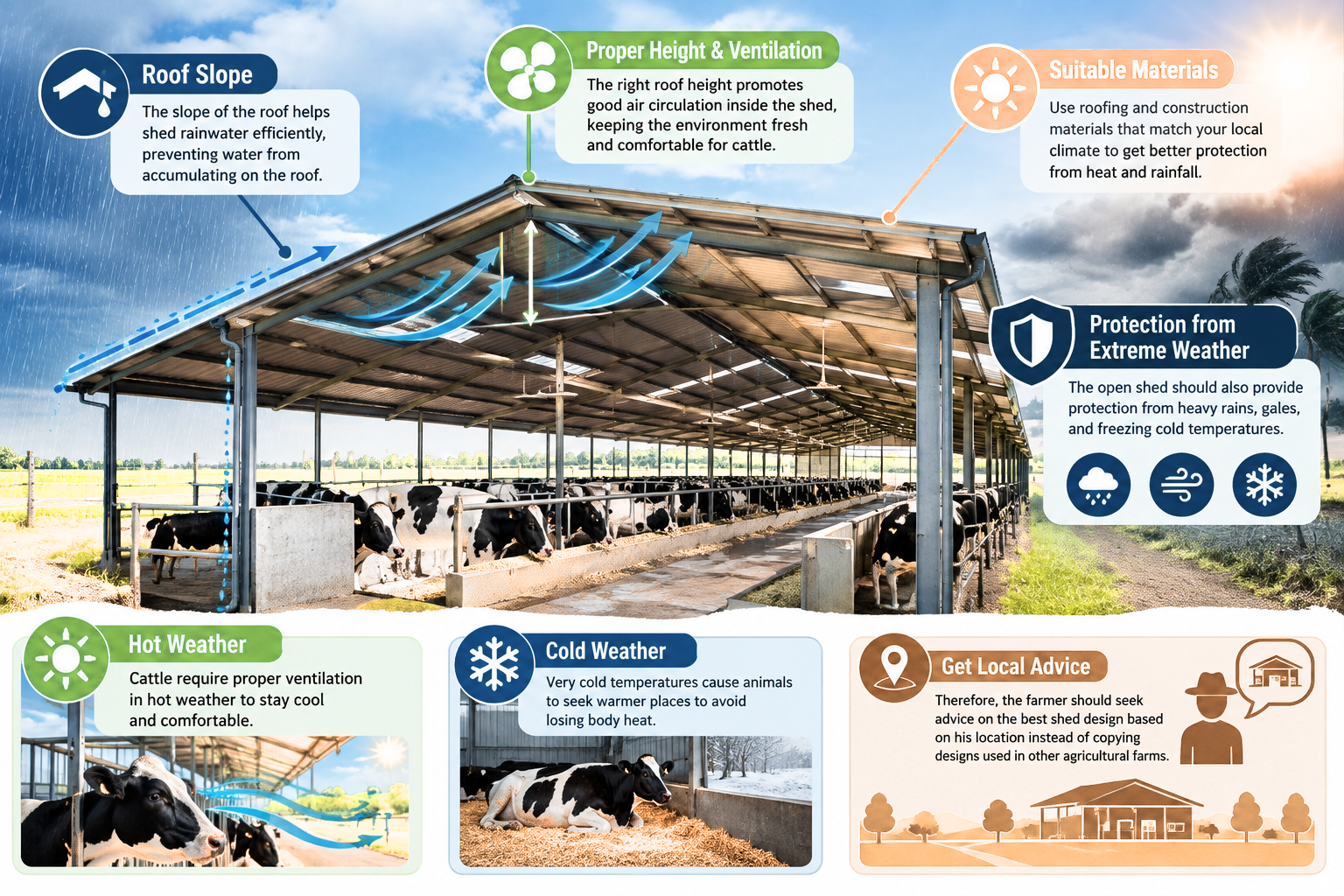
Weather conditions can also affect dairy farming, especially when animals are exposed to extreme temperatures. Hot weather can impede normal physiological functions in dairy animals, such as digestion and reproduction. Therefore, farmers should ensure that their animals are not subjected to extreme climatic conditions. Farmers can enhance ventilation and provide animals with adequate water to reduce the effects of extreme heat.
Farmers can also construct shaded structures to help animals stay cool. Moreover, farmers can utilize local materials and labor to make farm structures, such as cow sheds, to reduce costs.
Animal Nutrition and Feed Management
The nutritional level of dairy animals is directly related to their health status and milk production rates. Therefore, farmers should ensure that they provide their dairy animals with balanced feed rations to maintain their wellbeing and increase milk yields.
Dairy animals require lots of energy to produce high-quality milk, making it essential for farmers to provide their animals with adequate feed. A balanced ration consists of various feedstuffs, including green fodder, roughage, concentrates, minerals, vitamins, and water. Green fodder is a crucial component of animal nutrition because it provides animals with roughage and nutrients.
Concentrates are also an essential component of animal nutrition since they provide dairy animals with additional energy and protein. Farmers should pay particular attention to the amount of roughage in their animals’ feeds, especially for cows, since they require more roughage than buffaloes. Farmers should also ensure that they provide clean drinking water to their animals because milk contains a significant amount of water.
Farmers should ensure that they provide their animals with adequate feed, free from contaminants. They should always store animal feed in a cool and dry place to prevent mold and insect infestation. Farmers should also monitor their animals’ feed consumption and milk production rates to help them maximize their dairy production. For instance, farmers should not continue giving animals expensive feed if they do not correspond to increased milk yields.
Finally, farmers should seek professional advice on animal nutrition, especially for large-scale dairy farming. A qualified animal nutritionist can recommend the best feed combination for dairy animals based on various factors, such as animal breed, age, weight, and milk production rate. The choice of a cattle breed might affect milk yield, disease resistance, adaptation to the climate, and farm efficiency.
Pakistan has a number of local cow breeds adapted to the local climate. However, Buffaloes play a major role in the nation’s dairy industry because of their high milk production and excellent milk quality.
Commercial dairy farms breed cows using the crossbreeding method, as it might increase milk yield and profitability while preserving the cow’s adaptability to the local climate. Farmers should also keep in mind that animals should not be selected according to their looks or body size. Instead, an emphasis should be made on health, milk-producing capacity, reproductive performance, age, body condition, and breed.
A dairy farm should involve proper cow breeding practices and keep detailed information about the farm’s cows, including breeding history and performance. Farm managers and breeders should have a comprehensive knowledge of animal management, nutrition, reproduction, and health care.
Modern Dairy Farm Infrastructure
A dairy farm’s infrastructure should ensure the welfare of animals and employees while also being as cost-efficient and productive as possible. Farm layout should be planned in a way that reduces the time and effort needed for feeding, cleaning, milking, shepherding, and disposing of waste. Cow housing should provide enough ventilation to avoid humidity, unpleasant odor, and excessive heat. The use of natural ventilation should be prioritized and designed in accordance with the climate, cow comfort, and safety. Ventilation might be achieved through the proper orientation of cow sheds and open spaces, as well as the use of special roof constructions.
Cow housing and bedding should also be organized in a way that allows for cow movement and minimizes the risk of slipping and injuries. Animal feeding areas and places to drink water should be designed in a way that avoids competition among cows. Water should be available to cows at all times.
Proper cow housing and dairy farm infrastructure should also include drainage channels to remove waste liquids. In addition to saving water and preventing hazards associated with contaminated water, drainage will help the cows stay healthy. Farms can also save the organic waste generated in the form of manure to use it as fertilizer or compost. Larger dairy farms have the opportunity to use biogas from cow manure.
The key to successful dairy farming is a win-win approach that considers the cow’s welfare, employee safety, farm efficiency, and profitability. All of these elements are interdependent and should be taken into account when building a dairy farm infrastructure.
Milk Production and Quality
Milk quality is one of the most essential aspects of dairy farming and the dairy business in general. There is no doubt that dairy farms require high standards of milk production and quality to be able to sell their products and survive in the market. As a result, milk production and quality should be controlled from the cow’s breeding to the milk packaging and storage.
In terms of milk production, it is critical to ensure that the cow is healthy and does not have any infectious disease or udder infection. The milking tools and equipment must also be clean, and farm employees must have appropriate personal protection and hygiene. Tools and equipment should be properly cleaned and sanitized after each use.
Milk should always be filtered and cooled down as soon as possible after the milking process, especially in hot weather and climate. Failure to cool the milk will lead to rapid microbial growth and reduced milk quality. In addition, a constant supply of clean and fresh water is vital because it will be used in the cleaning and sanitizing process.
Farmers should also pay special attention to a cow’s health when using vet-prepared drugs and treatments. Particular attention should be paid to the period during which the treated cow can still produce milk. Moreover, veterinary prescriptions must always be followed carefully to ensure the farm animals’ health and safety. With proper animal breeding, farms will be able to produce high-quality milk that is safe for human consumption and can be sold at a premium price. The quality of milk can also allow a farm to differentiate itself by offering not only traditional milk products but also various dairy goods such as yogurt, cheese, butter, and creams.
Role of Technology in Dairy Farming
Technology has come a long way in dairy farming to help dairy farmers and farm managers be more efficient and productive. Small-scale dairy farms can also benefit from new technologies and dairy farm innovations to collect high-quality data for effective farm management.
Modern technology can help dairy farm businesses make smart decisions and stay ahead of the competition. While automated milking systems will require a significant initial investment into the equipment, they can be much more cost-effective in the long run by reducing the need for farm labor and ensuring high milk production. Milk cooling machines can also be a wise investment for the farm’s efficiency and productivity. Using electronic cow tags will also allow farm managers to monitor the animals’ weight, nutrition, reproduction, and health. In addition, the use of technology in dairy farming can help manage breeding and reproduction, as well as labor, feed, and finances.
Technology can be applied at every stage of milk production, from animal nutrition to the final milk processing and storage. The use of technology can help dairy farms collect the accurate data needed to make informed decisions about dairy farming and milk production.
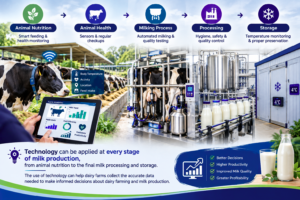
The key to technology utilization in dairy farming is to choose only cost-effective technologies and dairy farm equipment that will make the farm more productive rather than focusing on the technologies themselves. After all, proper farm management, animal nutrition, and health care will invariably make a dairy farm more profitable despite the use of less advanced technologies.
Largest Dairy Farm in Pakistan
There are several interpretations of the phrase the largest dairy farm in Pakistan. The farm might be the largest in terms of animals, land, milk production, or farm business. In any case, the word “largest” should always be accompanied by a measurement indicator.
The largest dairy farms in Pakistan are likely to have a significant number of animals. These farms must have highly efficient farm management and infrastructure to support the animals’ welfare, feeding, health care, reproduction, and milking system. Despite the apparent benefits of large-scale dairy farming, such as economies of scale, the farm’s business model should be carefully selected. Thus, when choosing the farm size, dairy farmers should consider several critical aspects, such as animal genetics, feeding strategies, and technological utilization, among others.
Challenges Facing Dairy Farmers in Pakistan
There are several serious challenges that dairy farmers might encounter in Pakistan. The dairy farming business is highly dependent on animal feed and fodder, meaning that dairy farmers need to find affordable ways of farming to ensure a steady supply of animal feed to their cows. Caring for animals on a dairy farm includes not only nutrition but also disease prevention and treatment. The availability of veterinary services is often insufficient for many dairy farmers who cannot afford expensive treatment methods. Another challenge is the collection and transportation of milk, which require not only proper cooling and storage facilities but also safe and reliable transportation.
In addition, climate change and extreme weather conditions might also affect the dairy farming business in Pakistan. Finally, technology utilization is an important aspect of every farm business, but small-scale farmers might find it difficult to finance the acquisition of agricultural technologies. It is worth noting that technology utilization, while important, does not automatically ensure that a farm will be more productive and profitable. Finally, proper farm planning and management are of utmost importance.
Opportunities for Dairy Businesses
The dairy farming business in Pakistan involves a wide range of opportunities, despite the challenges related to farm management and milk production. There are several ways in which dairy farmers can ensure the growth and development of their dairy farms. First, dairy farms should be aware of the demand for milk and dairy products in order to operate more efficiently. Additionally, dairy farmers can consider creating more value from their dairy business by producing different dairy products, such as cheese, butter, and milk drinks. A good understanding of farm management, animal nutrition, genetics, and milk production can enable dairy farmers to increase farm productivity and profit.
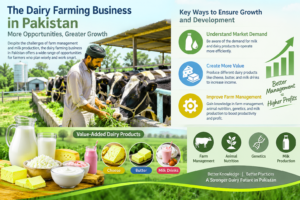
Another opportunity for dairy farm business in Pakistan is to invest more attention and resources into the quality improvement of feed and dairy products. In this regard, dairy farms might consider cooperating with private organizations, research institutions, and dairy processing companies to develop more profitable dairy farming systems.
How to Start a Dairy Farm in Pakistan
Every dairy farm business should have a strategic farm business plan that will help farm managers make wise decisions regarding the farm’s development and dairy farming activities. There are several essential components that a dairy farm business in Pakistan should consider when developing a business plan. First of all, farmers should pay special attention to the farm’s location because it will affect the farm’s feeding strategy, milk production, and farm management. The farm should be located in an area where water, animal feed, veterinarians, and other dairy farms are available. Next, farmers should estimate the farm’s herd size. It is worth remembering that starting a dairy farm business means that the farmer will have a small group of animals.
After that, farmers should construct the cowshed to ensure the welfare of their animals. The cowshed should have proper ventilation, drainage channels, feeding and drinking places, and sleeping areas. Finally, the farm’s feeding strategy should be planned in advance by identifying reliable suppliers of green fodder, dry fodder, and concentrates.
Farmers should also establish connections with local veterinarians to develop a comprehensive strategy for animal health care and disease prevention. In this regard, dairy farmers might consider cooperating with agricultural universities and organizations that offer veterinary services.
It is also essential to keep track of all farm expenses and sources of farm income. By analyzing the farm’s performance, dairy farmers can make the necessary adjustments and changes to improve farm efficiency and increase farm profits.
Sustainable Future of Dairy Farming
A sustainable approach to dairy farming is crucial for long-term dairy farming business development. Sustainable dairy farming aims at balancing farm productivity and profitability while ensuring the responsible use of natural resources and minimizing negative environmental impacts.
Water management is an important aspect of sustainable dairy farming. Farm managers can ensure water sustainability by minimizing water usage, avoiding water wastage, and investing in new water-saving technologies. Proper cow manure management can also contribute to a farm’s sustainability. For instance, cow manure can be used as organic fertilizer and biogas fuel. In addition, sustainable dairy farming should focus on the responsible use of feed and fodder.
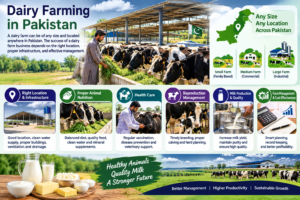
Farm managers can achieve feed sustainability by developing a comprehensive feed strategy that considers the farm’s production and the potential supply of local feed resources. Moreover, sustainable dairy farming requires attention to cow welfare, which will ensure farm productivity and profitability in the long run. A comprehensive knowledge of animal welfare, nutrition, reproduction, and health care is vital for sustainable dairy farming.
Future of Dairy Farming in Pakistan
The future of dairy farming in Pakistan depends on farmers’ ability to improve farm productivity and efficiency while keeping farm costs under control.
Colleges and universities can play an important role by providing high-quality education in dairy farming, animal nutrition, disease prevention, and farm management. Cooperation between dairy farmers, private businesses, organizations, and government is also needed to further develop dairy farming in Pakistan.
Dairy farming business in Pakistan should focus on integrated farming systems that might help dairy farmers minimize their costs and maximize their profits. Moreover, dairy farmers can invest more attention and resources into dairy farm digitization, as it will lead to dairy farms becoming more responsive to market demands and more competitive.
Animal breeding and nutrition, along with proper veterinary services, will be of paramount importance for dairy farming in Pakistan. In addition, climate change and extreme weather conditions require special attention and responsible farm management.
Conclusion
The best dairy farm in Pakistan is a concept that includes a wide range of farm attributes. First and foremost, the best dairy farms in Pakistan should ensure that the animals are healthy and well-nourished. Moreover, the farm should select the most appropriate cattle breeds that will be productive and resistant to the local climate conditions. Building proper cowsheds and housing that will allow for cow welfare, efficient feeding, and milking system should be the farm’s priority. Maintaining hygienic conditions, employing professional farm managers, and ensuring the quality of milk and dairy products are also vital for the dairy farming business.
Best dairy farms in Pakistan and top dairy farms in Pakistan can be found across different sizes and locations. However, in order to become one of the best dairy farms in Pakistan, a farm should focus on the efficient use of farm resources and the application of innovative technologies and equipment. Similarly, top dairy farms in Pakistan often utilize modern technologies and equipment, as well as provide high-quality care for their animals to ensure high milk production and milk quality.
Dairy farming in Pakistan consists of a variety of farms, ranging from small-scale farms to large-scale dairy farms. The large-scale dairy farms often have better growth potential due to their ability to utilize the economies of scale. However, regardless of farm size, sustainable dairy farming requires appropriate farm management practices that will lead to farm profitability and productivity. Moreover, dairy farming in Pakistan needs to be more competitive than ever against the rapid development of the dairy sector in other countries.
In summary, the best dairy farms in Pakistan and the top dairy farms in Pakistan will be determined by a wide range of farm attributes. The best dairy farms in Pakistan will be characterized by high farm productivity and efficiency, the health and welfare of the animals, the use of advanced technologies and equipment, appropriate farm management practices, and a comprehensive approach to milk production and quality. Similarly, the top dairy farms in Pakistan will be able to implement the best dairy farming practices.
A dairy farm in Pakistan can be of any size and located anywhere in Pakistan. However, a dairy farm business requires an appropriate farm location and infrastructure, as well as proper animal nutrition, health care, and reproduction management. The dairy farming business should also focus on milk production and quality, as well as farm management practices and cost-effectiveness.
The best dairy farming practices in Pakistan often involve the use of high genetic potential animals that will provide high milk yield. The best dairy farms in Pakistan will also have an appropriate feeding strategy that will be based on farm production. Furthermore, best dairy farms in Pakistan will invest in farm digitization that will ensure efficient farm management, utilization of farm resources, and farm productivity.
As for the top dairy farms in Pakistan, they will be determined by a wide range of farm attributes, including the number of animals, the farm’s location, the farm’s size, and farm productivity. Regardless of the farm size, top dairy farms in Pakistan will be characterized by a comprehensive approach to dairy farming that considers animal welfare, farm productivity, efficient utilization of resources, farm management, and profitability.
Dairy farming business in Pakistan is subject to continuous growth and development. A wide range of opportunities and threats awaits dairy farming businesses in Pakistan. In this regard, a strategic approach to dairy farming development is needed to ensure farm growth and prosperity. Best dairy farm practices in Pakistan, along with the latest dairy farm innovations, should be taken into account when developing the farm’s business plan.
FAQs
-
What is the best dairy farm in Pakistan?
The best dairy farm in Pakistan may vary depending on the farm’s size and location. However, most of the best dairy farms in Pakistan will share similar attributes that are essential for dairy farming business development. These include animal welfare, proper feeding strategy, cow housing and breeding, professional farm management, hygienic conditions, and milk quality.
-
What are the best dairy farms in Pakistan known for?
The best dairy farms in Pakistan are known for their high farm productivity and efficiency, as well as cow welfare, proper feeding strategy, appropriate cow housing, and farm management practices. These farms will also be characterized by high milk production and quality.
-
Which are the top dairy farms in Pakistan?
The top dairy farms in Pakistan are likely to be commercial dairy farms, as they possess better growth potential due to economies of scale. Top dairy farms in Pakistan will be determined by a wide range of farm attributes, including the farm’s size, location, and productivity.
-
What is dairy farming in Pakistan?
Dairy farming in Pakistan refers to farming that involves cows and buffaloes as the primary animals for milk production. Dairy farming in Pakistan can be seen in a wide range of dairy farm sizes.
-
Which animals are commonly used for dairy farming in Pakistan?
There are various animals used for dairy farming in Pakistan; however, cows and buffaloes are the most common animals for dairy farming in Pakistan.
-
How can a dairy farm increase milk production?
Increasing milk production should be the primary goal of every dairy farm business. There are several essential strategies that can be utilized by dairy farms to increase milk production, including cow welfare, proper feeding strategy, appropriate cow housing, professional farm management, and the utilization of advanced technologies.
-
Why is animal nutrition important in dairy farming?
Animal nutrition is one of the primary aspects of dairy farming, as it directly affects animal welfare, reproduction, and milk production. A comprehensive feeding strategy should be developed by the farm to ensure that the animals receive the appropriate nutrition.
-
Why is hygiene important on a dairy farm?
Hygiene plays a crucial role in dairy farming, as it ensures that the animals, as well as the milk, are not subjected to any harmful microorganisms.
-
Is technology important for modern dairy farms?
Technology utilization is required for every modern dairy farm to ensure farm management efficiency and productivity. Technologies that can be utilized in dairy farming include digital technologies, cow milking machines, and cow cooling systems.
-
What are the major challenges of dairy farming in Pakistan?
Dairy farming in Pakistan involves a variety of challenges, including high feed costs, cow disease prevention and treatment, limited cow welfare, heat stress, milk processing and logistics, farm management inefficiency, and insufficient financial resources.
-
What is the future of dairy farming in Pakistan?
The future of dairy farming in Pakistan is promising; however, there are several crucial aspects that need to be considered for dairy farm business development. These include animal welfare, nutrition, and reproduction, farm management and productivity, as well as sustainability.